Dental Cleanings & Examsin Greenbelt, MD
Dental Cleanings & Exams
in Greenbelt, MD

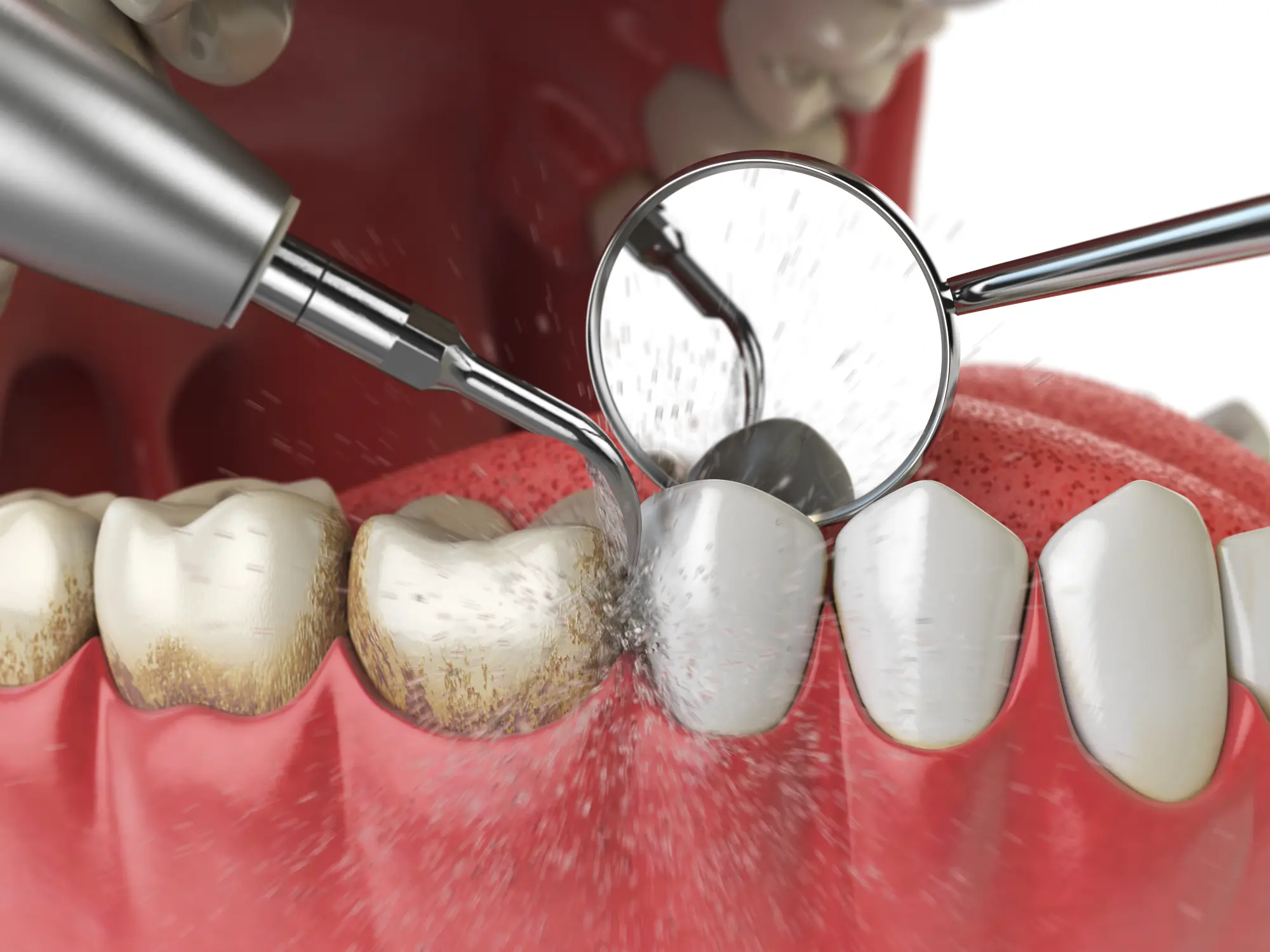

A professional dental cleaning removes the plaque and hardened tartar that build up along your teeth and gumline, even when you brush and floss carefully. Once tartar forms, it can't be scraped away at home, and it gives bacteria a place to irritate your gums. Your hygienist cleans above and below the gumline and polishes your teeth to leave the surfaces smooth.
The comprehensive exam is the other half of the visit. Your dentist checks each tooth for decay, looks at existing fillings and crowns, evaluates your gums, and screens your mouth, tongue, and throat for anything unusual. Together, the cleaning and exam give you a clear picture of your oral health and a chance to ask questions.
Nearly everyone does, though a few groups have especially good reasons to keep a steady schedule.
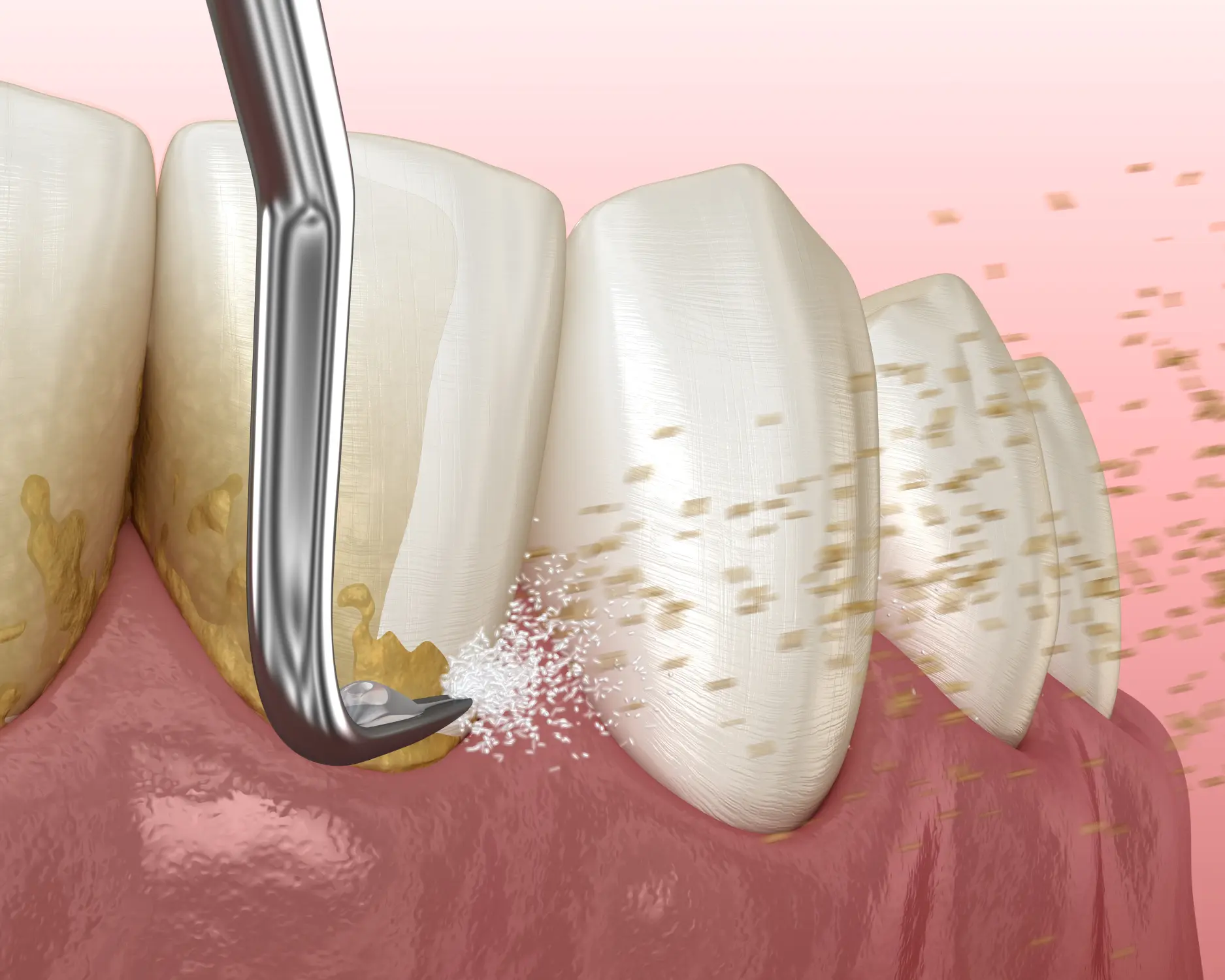
Catching small cavities or gum changes early often means simpler, more conservative treatment.
Removing tartar helps reduce the inflammation that can lead to gum disease.
Clearing away built-up bacteria and plaque can help with persistent bad breath.
Polishing lifts surface stains from things like coffee, tea, and everyday wear.
Your exam can include a look at the soft tissues in your mouth for early warning signs.
Preventing problems is typically less costly than restoring a tooth that has become damaged.
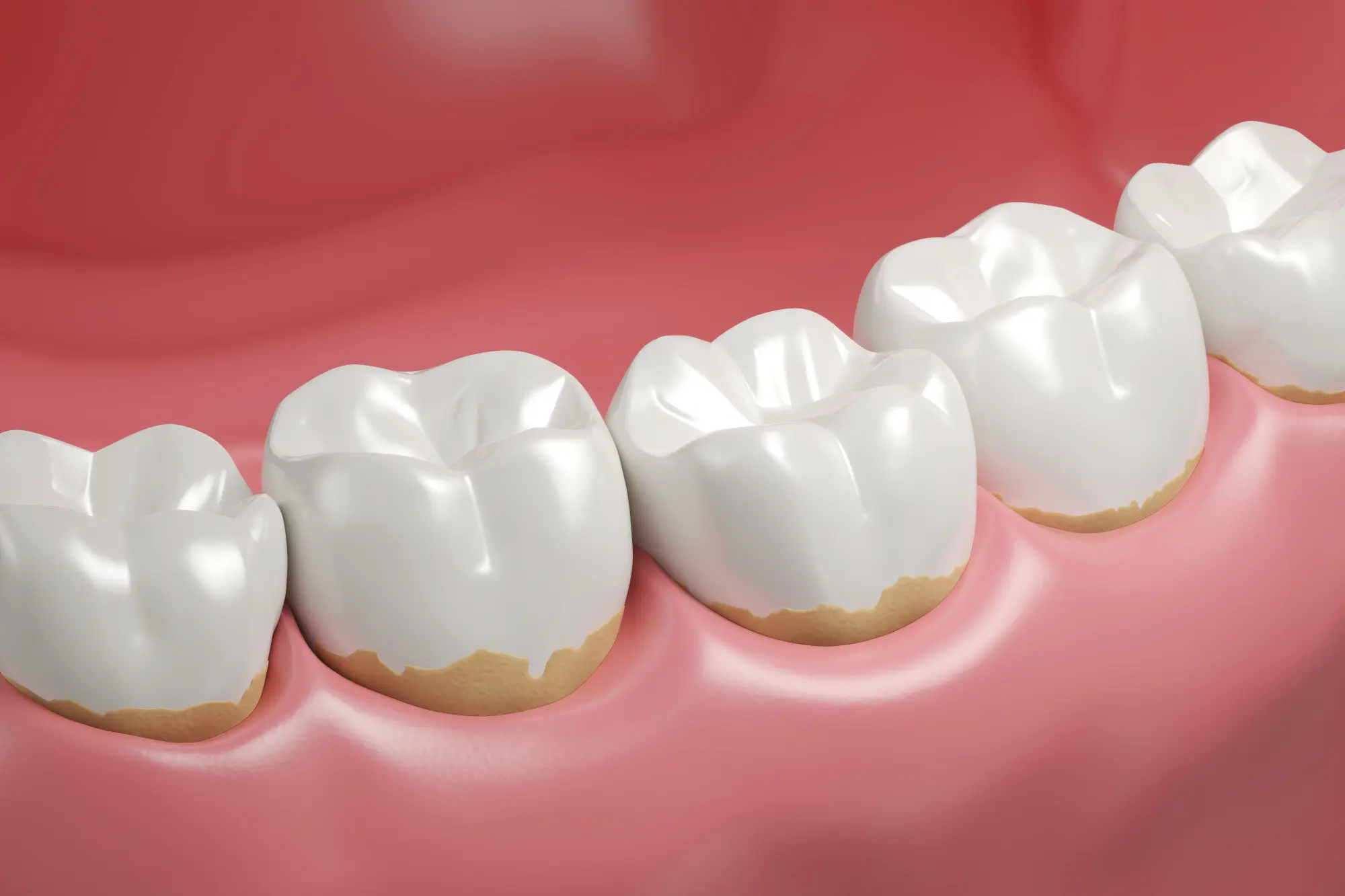
Your hygienist gently removes plaque and tartar using hand instruments, then polishes your teeth. Many patients notice their teeth feel smoother and cleaner right away.
Your dentist examines your teeth, gums, bite, and soft tissues, and explains what they see in plain language. You're welcome to ask questions along the way.
X-rays reveal what can't be seen by eye, such as decay between teeth or changes in the bone supporting them. We take them based on your individual needs rather than on every visit.
We finish by reviewing findings and talking through next steps, from home care tips to any treatment that may be worth considering. You'll leave knowing where things stand and when to come back.
Many patients visit every six months, which is a common recommendation for maintaining oral health. Some people, such as those with gum disease or a higher cavity risk, may benefit from more frequent visits. Your dentist can suggest a schedule that fits your needs.
Most patients find cleanings comfortable, though you may notice some pressure or mild sensitivity, especially if your gums are inflamed. Numbing is rarely needed for a routine cleaning, but if you have heavy buildup or tender gums, tell your hygienist so they can discuss comfort options with you. If you tend to feel anxious or have sensitive teeth, let your hygienist know so they can adjust their approach and take things at a pace that suits you.
A typical appointment often takes less than an hour, though the time varies depending on whether X-rays are needed and how much buildup there is. A first visit may take a little longer because we're getting to know your history. We're happy to explain what to expect when you schedule.
Many dental plans cover preventive visits like cleanings and exams, often at a higher percentage than other treatment. Coverage varies by plan, so it's worth checking your benefits. Our team can help you understand what to expect, and we can talk through payment options if you're not using insurance.
You're not alone, and there's no judgment here. We will start with an exam to see where things stand, and if you have heavier buildup or signs of gum disease, we may recommend a deeper cleaning before returning to a routine schedule. A deeper cleaning removes buildup below the gumline that a routine cleaning may not reach. Once your mouth is back on track, regular visits make it easier to keep buildup under control and catch small changes early.
Whether it's been six months or several years, we'd love to welcome you to McCarl Dental Group in Greenbelt for a relaxed, thorough visit. Call us at (301) 474-4144 or schedule your cleaning and exam.